HELLO RAINBOW FAMILIES:
Welcome to our first Math Newsletter where we will be sharing how our little learners are exploring math concepts in our classroom, and how you can extend these playful moments to your home.
When we talk about Math, we easily picture numbers, counting, and arithmetics.
BUT MATH IS MORE THAN THAT...
Math begins with recognition, wonder, curiosity, interest, and movement. Every time your child notices differences in objects, piles cars in a row, stacks blocks or dumps them, they are showing math skills that are essential foundational skills for problem solving.
Each issue of this Math newsletter will highlight with pictures or videos what your child is discovering in class and it will give you tips and ideas about what you can do at home to extend the learning process in your everyday routines.
When children learn to recognize differences and similarities in objects around them, and later classify them by size, color, shapes or other attributes, they are sorting: the very first building stone of early math and science.
Learning to sort or make sets helps toddlers to classify objects, compare them and understand quantities. Additionally, sorting helps children develop language and literacy skills through the acquisition of new words such as big, small, medium, round, soft, hard, same, and different.
EVEN MORE… They develop fine motor skills, hand-eye coordination and extended attention span when they pick up small pieces to put into a container.
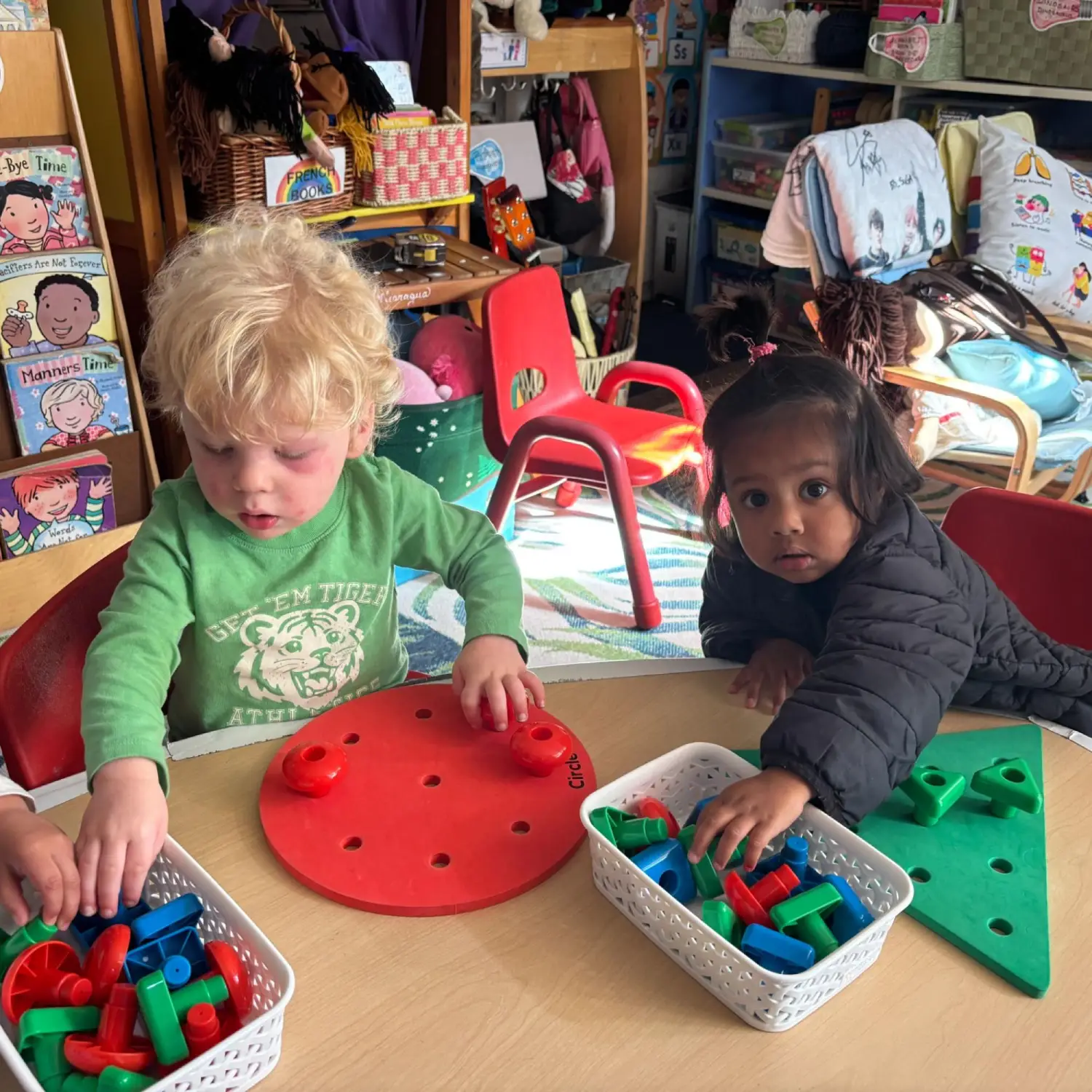
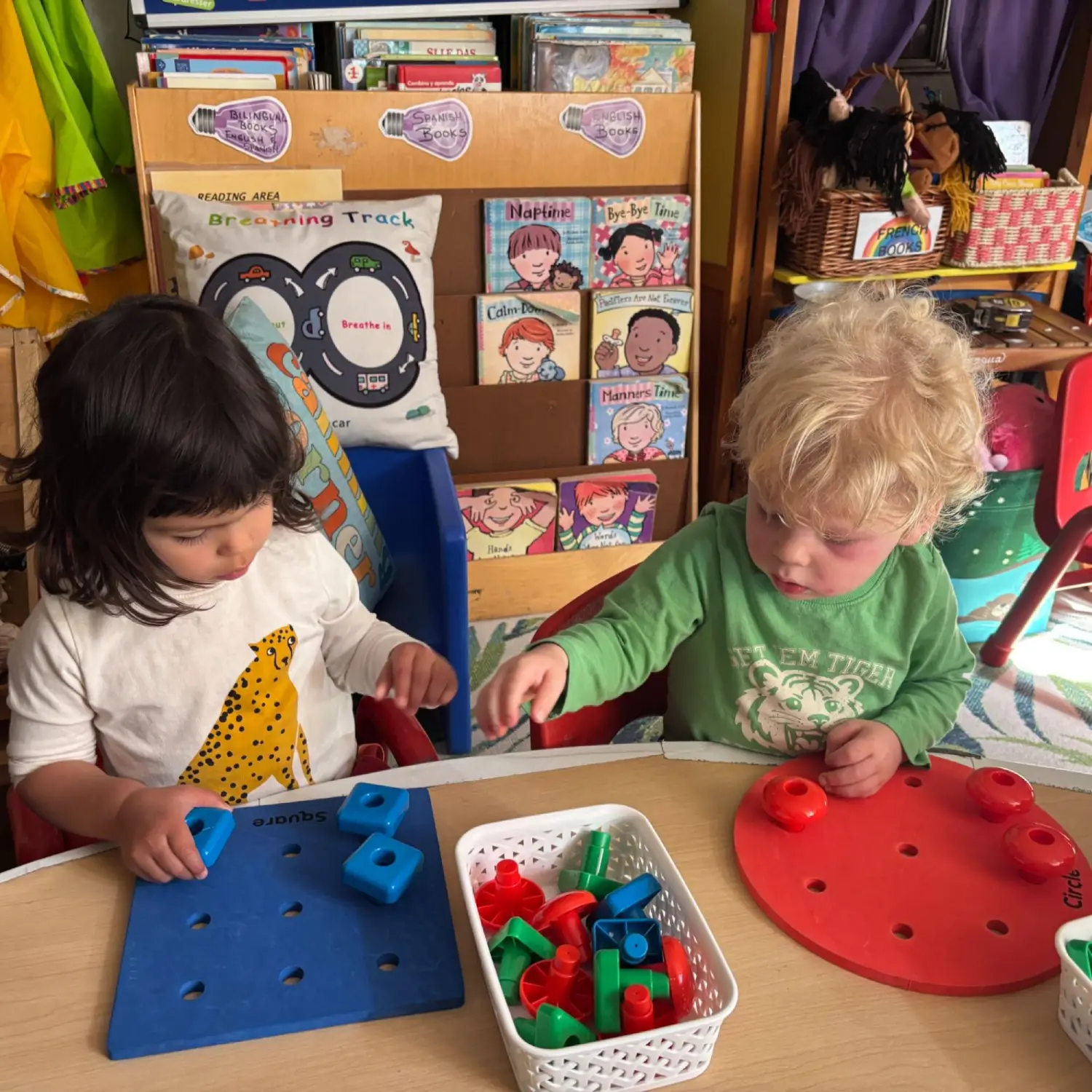
In the images above, children were engaged in a sorting activity. This activity connects to California Infant-Toddler Learning and Development Foundation (ITLDF) Strand 2.0 Emergent Marhematical, Foundation 2.3 Classification. The children were able to notice the different shaped and colored pegs and sorted them based on the color and shape of their foam board.
-
1
Practice sorting socks with your child when you are taking the laundry out or folding clothes.
-
2
When you are shopping for groceries or storing away, let your child sort food cans or boxes.
-
3
When you are putting or taking dishes out of the dishwasher, you may encourage your child to sort spoons, forks, plastic cups or plates.
-
4
Save envelopes and magazines from your mailbox to allow your child to sort by sizes.
- WHERE DOES THE SPOON GO?
- WHICH SOCK MATCHES WITH THIS ONE?
- THIS CUP IS… BUT THE OTHER ONE IS… THEY ARE…?
Bertha Mondoy Director Owner